

When entering the world of blockchain and cryptocurrency, you’ll frequently encounter the term mainnet, yet many newcomers struggle to understand what it truly means and why it matters. The mainnet, short for main network, represents the actual, fully operational blockchain where real transactions occur with genuine cryptocurrency and assets. Unlike experimental environments, a production blockchain operates with real value at stake, making it fundamentally different from its testing counterparts.
The distinction between a mainnet and other blockchain networks is crucial for anyone involved in cryptocurrency, whether you’re trading digital assets, developing blockchain applications, or simply trying to understand how cryptocurrencies function. A mainnet blockchain is the fully deployed version of a cryptocurrency network where transactions are recorded on the distributed ledger in permanent fashion. Every Bitcoin transaction, Ethereum smart contract execution, and token transfer happens on a mainnet, making it the backbone of all blockchain-based financial activity.
What is a mainnet goes beyond simple definitions—it requires grasping the underlying architecture, the relationship between different network types, and the security implications of operating on a production network. This comprehensive guide will explore every facet of mainnet technology, from its fundamental characteristics to its practical implications for users and developers alike. By the end, you’ll understand not only what a mainnet is but also why it represents the most critical layer of blockchain infrastructure in our increasingly digital financial ecosystem.
What Exactly is a Mainnet?
A mainnet, or main network, is the primary version of a blockchain network where all real transactions take place with actual cryptocurrency and digital assets. When you send Bitcoin to someone, perform an Ethereum transaction, or interact with any blockchain application, you’re operating on a mainnet. This production blockchain uses real tokens with real monetary value, distinguishing it fundamentally from other types of networks like testnets or private blockchains.
The mainnet operates as a fully independent, distributed network of nodes spread across the globe. Each node maintains a complete copy of the blockchain, ensuring decentralization and security through consensus mechanisms. Whether Bitcoin uses Proof of Work or Ethereum employs Proof of Stake, the production blockchain implements these security protocols to validate transactions and maintain network integrity. The mainnet processes transactions permanently, recording them in blocks that become cryptographically linked in an immutable chain.
One of the most important characteristics of a mainnet is its permanence. Once a transaction is confirmed and added to the production blockchain, it cannot be reversed or altered. This immutability represents both a strength and a responsibility for users. Unlike centralized payment systems where transactions might be reversed, a mainnet transaction is final. This finality is what gives blockchain networks their revolutionary potential while also demanding caution from participants.
The Mainnet Blockchain Architecture
The architecture of a blockchain is specifically designed to support the security, scalability, and decentralization required for a production environment. Every consists of interconnected nodes—computers that validate and maintain copies of the entire ledger. This distributed architecture means no single entity controls the production blockchain, creating the foundational trust mechanism that cryptocurrencies depend upon.
The Node Structure and Consensus Mechanisms
The mainnet relies on nodes operated by individuals, companies, and enthusiasts worldwide. These nodes communicate with each other through peer-to-peer protocols, sharing transaction information and validating new blocks. The production blockchain implements specific consensus mechanisms—such as Proof of Work or Proof of Stake—that determine how nodes agree on the current state of the ledger. Bitcoin’s mainnet uses Proof of Work, requiring miners to solve complex mathematical puzzles. Ethereum’s mainnet, meanwhile, transitioned to Proof of Stake, where validators secure the network by staking cryptocurrency.
These consensus mechanisms represent the beating heart of any mainnet. They ensure that only legitimate transactions are added to the production blockchain and that participants cannot cheat or double-spend their cryptocurrency. The security of a mainnet depends entirely on the robustness of its consensus mechanism and the distributed nature of its node network. A mainnet blockchain is only as secure as the weakest link in its consensus protocol, which is why established networks like Bitcoin and Ethereum inspire confidence through their proven track records.
Transaction Validation and Block Creation
When someone initiates a transaction on a mainnet, it first enters the memory pool, where nodes examine it for validity. Network participants then work to include this transaction in the next block, depending on the mainnet’s consensus rules. On Bitcoin’s mainnet, miners compete to bundle pending transactions into blocks by solving computational puzzles. On Ethereum’s mainnet, validators perform this function using Proof of Stake mechanisms. Once a block is added to the production blockchain, the transaction becomes irreversible and permanently recorded.
The speed at which a mainnet confirms transactions varies significantly between different blockchains. Bitcoin’s mainnet typically confirms transactions in approximately ten minutes per block, while Ethereum’s mainnet aims for twelve seconds per block. These differences reflect the different priorities and design choices of each blockchain mainnet. Some production blockchains prioritize security above speed, while others optimize for transaction throughput, creating trade-offs that developers and users must consider.
Mainnet vs. Testnet: The Critical Distinction
To truly grasp what a mainnet is, you must understand how it differs from a testnet. While a mainnet operates with real value and permanent records, a testnet functions as a playground for developers and users to experiment without financial consequences. The testnet blockchain mirrors the mainnet’s functionality—processing transactions, executing smart contracts, and validating blocks—but uses test tokens that possess no monetary value.
The testnet serves an essential purpose in the blockchain ecosystem. Before deploying new features or applications to the production blockchain, developers thoroughly test them on a testnet. This testing environment allows developers to identify bugs, optimize performance, and ensure security without risking real user funds. Major cryptocurrency projects maintain multiple testnets. Ethereum, for instance, operates Goerli and Sepolia testnets, providing developers with testnet blockchains to practice and experiment.
The practical implications of this distinction are profound. If you send tokens on a testnet, they disappear into the experimental environment with no real financial consequence. However, a mistake on the mainnet could result in permanent loss of funds. This is why understanding the difference between mainnet and testnet is critical for new users. Many cryptocurrency security breaches occur when users accidentally interact with the mainnet when they believed they were using a testnet, or vice versa.
Key Differences Between Mainnet and Testnet
The mainnet blockchain operates with real stakes, while a testnet blockchain operates in a consequence-free environment. Transactions on a mainnet involve actual cryptocurrency worth real money, whereas testnet tokens have zero intrinsic value. The security requirements differ too—a mainnet implements robust security measures and extensive testing before deployment, while a testnet allows for more experimental changes and faster innovation cycles. The user base differs as well, with the mainnet serving millions of real users and the testnet primarily supporting developers and advanced users.
Another crucial distinction involves transaction finality and record-keeping. Data recorded on a mainnet blockchain becomes part of the permanent historical record accessible through blockchain explorers and full nodes indefinitely. Testnet blockchain data, conversely, may be pruned or reset without significant consequences. This permanence gives the production blockchain its weight and importance while allowing the testnet flexibility for experimentation.
Why Mainnet Matters: The Significance of Production Blockchains
The existence of a functional mainnet transforms cryptocurrency from theoretical possibility into practical reality. Without a reliable production blockchain, cryptocurrencies would remain academic curiosities rather than actual currencies and stores of value. The mainnet enables real economic activity, from international money transfers to programmable smart contracts that automate complex financial agreements.
Financial Real-World Applications
The mainnet blockchain powers genuine financial applications worth billions of dollars. Decentralized finance (DeFi) platforms operate entirely on production blockchains, allowing users to lend, borrow, and trade cryptocurrency without traditional intermediaries. Mainnet transactions settle with finality that traditional banking systems cannot match, often within minutes rather than days. This speed and reliability have attracted institutional investors to the mainnet, increasing adoption and legitimacy.
Non-fungible tokens (NFTs) represent another mainnet application that has captured public imagination. These digital assets exist on production blockchains, with their ownership, history, and transactions permanently recorded. The mainnet provides the transparency and immutability that make NFTs valuable for digital art, collectibles, and other applications. Without a reliable mainnet, these innovative applications simply could not function.
Security and Trust Through Decentralization
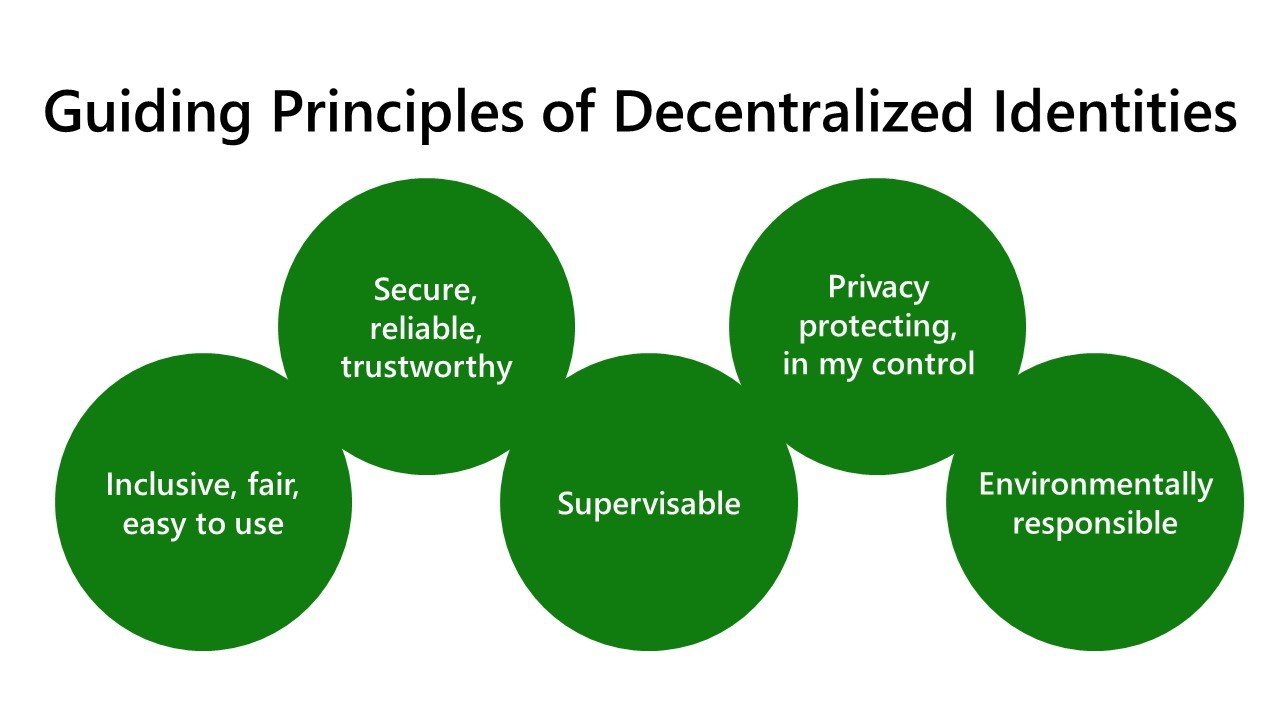
The mainnet’s distributed architecture provides security through decentralization. No government, corporation, or individual can manipulate a sufficiently large production blockchain without capturing the majority of its nodes—an economically prohibitive task for established networks. This resistance to censorship and control represents one of the most revolutionary aspects of mainnet technology. The mainnet blockchain creates a trustless system where participants need not trust any authority figure; instead, they trust mathematics and decentralized consensus.
The security of the mainnet comes with costs, however. The distributed nature means slower transaction processing than centralized systems. The immutability that prevents tampering also means mistakes cannot be easily reversed. Users must take responsibility for their own security, as there are no chargebacks or customer service departments to recover lost funds on a production blockchain.
The Mainnet Launch Process: From Development to Production
Understanding what is a mainnet requires understanding how projects transition from concept to production blockchain. Most successful cryptocurrency projects develop on a testnet for extended periods, sometimes years, before launching a mainnet. This careful progression ensures that the production blockchain launches with mature technology and sufficient testing.
The mainnet launch typically follows an established pattern. First, developers build and test the protocol extensively on testnets, incorporating feedback from the community and security auditors. Next, they conduct a mainnet genesis block creation, where the first block of the production blockchain is generated, often with initial token distribution to founding members. As the mainnet becomes operational, early adopters begin using the network, gradually building network effects and liquidity.
Notable mainnet launches in cryptocurrency history include Bitcoin’s mainnet in 2009, which began with Satoshi Nakamoto’s genesis block, and Ethereum’s mainnet in 2015, which introduced smart contracts to a production blockchain. Each subsequent project learns from these precedents, typically launching testnets first to identify issues before transitioning to the production blockchain. The quality of a mainnet launch often determines whether a cryptocurrency gains adoption and achieves its goals.
Challenges and Limitations of Current Mainnets
Despite their revolutionary potential, current mainnet blockchains face significant challenges that developers and researchers actively work to solve. Mainnet scalability represents perhaps the most pressing concern, as established production blockchains like Bitcoin and Ethereum process transactions far more slowly than traditional payment systems. Bitcoin’s mainnet processes approximately seven transactions per second, while Visa processes thousands. This mainnet limitation has spurred development of layer-two solutions like the Lightning Network for Bitcoin and Ethereum L2s like Arbitrum and Optimism.
Environmental concerns plague energy-intensive Proof of Work mainnets, with Bitcoin’s mainnet consuming electricity equivalent to entire nations. This has driven innovation toward Proof of Stake mainnets, which consume minimal energy. However, Proof of Stake production blockchains introduce new concerns about centralization, as wealth concentration could lead to unfair advantages in block validation.
Gas fees represent another significant limitation of current mainnets. During periods of high demand, mainnet transaction costs can become prohibitively expensive, pricing out smaller users. This limitation has driven the development of alternative mainnet blockchains focusing on different design priorities, from Solana’s mainnet emphasizing speed to Cardano’s mainnet emphasizing academic rigor and sustainability.
The Future of Mainnet Technology
The evolution of mainnet technology continues accelerating as developers implement innovations addressing current limitations. Layer-two solutions are transforming the capabilities of established production blockchains by processing transactions off-chain while maintaining security guarantees. Sharding, proposed for Ethereum’s mainnet, would divide the production blockchain into parallel chains, dramatically increasing transaction throughput. Interoperability protocols are emerging to connect different mainnets, allowing value and data to move seamlessly between production blockchains.
Cross-chain bridges represent a developing category of mainnet infrastructure enabling assets to move between different production blockchains. These technologies suggest a future where multiple mainnets coexist and interact rather than compete in isolation. The mainnet landscape continues evolving toward greater scalability, sustainability, and user-friendliness, with each innovation bringing cryptocurrency closer to mainstream adoption.
Practical Considerations for Mainnet Users
For anyone transacting on a mainnet, understanding practical considerations ensures safe and effective use. First, verify that you’re actually connected to the mainnet rather than a testnet—check blockchain explorers and ensure your wallet displays real transaction values. Second, understand the mainnet’s transaction fees, which vary based on network congestion. Bitcoin’s mainnet and Ethereum’s mainnet both implement dynamic fee markets where costs fluctuate dramatically.
Third, recognize that mainnet transactions are irreversible. Before sending funds, triple-check addresses and amounts. Use hardware wallets for significant mainnet holdings, as they provide security against hacking that online wallets cannot match. Finally, stay informed about mainnet upgrades that could affect your holdings or transactions. Major mainnet updates sometimes require users to take action or understand new mechanics for interacting with the production blockchain.
Conclusion
A mainnet represents far more than just another blockchain network—it embodies the realization of cryptocurrency’s promise to create decentralized, censorship-resistant financial systems. The production blockchain operates with real value, permanent records, and distributed consensus, distinguishing it fundamentally from testnets and experimental networks. Understanding what is a mainnet means grasping how distributed nodes validate transactions, how consensus mechanisms prevent fraud, and why the mainnet’s immutability makes it simultaneously powerful and demanding of user responsibility.
The mainnet blockchain has evolved from Bitcoin’s revolutionary beginning to a diverse ecosystem of production blockchains optimized for different purposes. From Ethereum’s smart contracts to newer mainnets addressing scalability challenges, the landscape continues developing rapidly. As technology matures and limitations diminish, mainnet adoption will likely accelerate, bringing blockchain technology into mainstream financial systems and applications.
For users, developers, and investors, the mainnet represents both opportunity and responsibility. The immutable, decentralized nature of the production blockchain creates possibilities for genuine financial innovation while demanding careful attention to security and accuracy. As you engage with cryptocurrency, whether holding Bitcoin on its mainnet, interacting with Ethereum mainnet smart contracts, or exploring newer production blockchains, remember that understanding these systems deeply is the foundation for successful and secure participation.
Frequently Asked Questions
1. What happens if I accidentally send funds to the wrong address on a mainnet?
Once a transaction is confirmed on a mainnet, it is permanently irreversible. Unlike traditional banks that can reverse transactions, the production blockchain records all transactions immutably. If you send funds to an incorrect address, those funds are permanently lost unless the recipient voluntarily returns them. Always verify addresses multiple times before sending mainnet transactions, particularly for large amounts.
2. Can a mainnet blockchain be changed or updated?
Yes, mainnet blockchains can be upgraded through coordinated efforts by developers and node operators. These mainnet updates typically require consensus within the community. However, changes cannot retroactively alter past transactions—only affect future transactions. Controversial proposed changes sometimes cause mainnet forks, where the community splits into different production blockchains with different rulesets, as occurred with the Bitcoin Cash fork.
3. How do I know if I’m connected to the mainnet or a testnet?
Check your wallet settings, which should clearly indicate which mainnet or testnet you’re connected to. You can verify by looking up your transaction address on a blockchain explorer specific to that mainnet. Additionally, testnet tokens have no monetary value, so if you’re transacting valuable cryptocurrency, you’re on the mainnet. Many wallets allow you to switch networks easily, so always confirm before proceeding.
4. Why do different blockchains have different mainnets?
Each cryptocurrency project designs its mainnet according to specific priorities and technologies. Bitcoin’s mainnet prioritizes security and decentralization over speed. Ethereum’s mainnet enables smart contracts, while newer production blockchains like Solana mainnet emphasize transaction speed. These different mainnets represent various approaches to solving the blockchain trilemma of decentralization, security, and scalability.
5. What is the difference between a mainnet token and a testnet token?
Mainnet tokens represent real cryptocurrency or digital assets with actual monetary value, traded on exchanges and used in real transactions on the production blockchain. Testnet tokens are test versions distributed for free to developers and users for experimentation on testnet blockchains. These testnet tokens have no market value and cannot be traded on real exchanges. Attempting to sell testnet tokens will fail, as they exist only on the testnet blockchain.