

Selecting the right cryptocurrency wallet has become one of the most critical decisions any digital asset holder can make in 2026. With the landscape of crypto storage solutions evolving rapidly and security threats continuously emerging, understanding which digital wallet best suits your needs requires careful consideration of multiple factors. The best crypto wallets combine exceptional security features with user-friendly interfaces, making cryptocurrency management accessible to both experienced investors and newcomers entering the space for the first time.
A crypto wallet serves as the essential bridge between you and your digital assets, functioning as both a storage mechanism and a transaction interface. Unlike traditional wallets that hold physical currency, a cryptocurrency wallet manages your private keys—cryptographic credentials that grant exclusive access to your blockchain holdings. The choice between a hardware wallet, a software wallet, or a mobile wallet profoundly impacts your security posture, convenience level, and overall experience managing cryptocurrency in 2026.
The cryptocurrency ecosystem has matured significantly since its inception, and the wallet solutions available today reflect this evolution. Whether you’re storing Bitcoin for long-term investment, actively trading altcoins, or managing non-fungible tokens and decentralized finance positions, there exists a digital wallet specifically designed for your use case. This comprehensive guide examines eleven of the best crypto wallets available in August 2026, analyzing their strengths, limitations, and ideal user profiles to help you make an informed decision about securing your digital wealth.
Crypto Wallet Types and Security Fundamentals
Before diving into specific wallet recommendations, it’s essential to understand the fundamental categories of cryptocurrency storage and the security principles underlying each approach. The crypto wallet landscape divides primarily into hot wallets and cold wallets, terms referring to whether your digital wallet maintains internet connectivity. A hot wallet remains connected to the internet, enabling convenient transactions but introducing network-based security risks. Conversely, a cold wallet stores your cryptocurrencies offline, providing superior security at the expense of immediate transaction access.
The Critical Role of Private Keys
The foundation of crypto wallet security rests entirely on protecting your private keys. These cryptographic credentials prove ownership of your cryptocurrency holdings and authorize transactions moving your assets. A crypto wallet never actually stores your coins—blockchain networks maintain permanent distributed ledgers. Instead, your digital wallet stores the private keys that authenticate your control over specific blockchain addresses containing your cryptocurrency. Understanding this distinction is crucial: if someone gains access to your private keys, they can transfer all your holdings regardless of what your crypto wallet interface displays.
Hardware wallets like Ledger and Trezor protect your private keys by keeping them isolated on dedicated physical devices that never expose these credentials to internet-connected computers. Software wallets installed on your computer or smartphone store private keys locally on your device, relying on your device’s security rather than specialized hardware. Cold storage solutions, including paper wallets and offline hardware wallets, eliminate internet exposure entirely, making them ideal for long-term cryptocurrency storage of substantial holdings.
Hot Wallets vs. Cold Wallets for Different Use Cases
Hot wallet solutions prioritize accessibility and convenience, making them suitable for active traders and frequent cryptocurrency users. Applications like MetaMask, Trust Wallet, and Coinbase Wallet enable seamless interaction with decentralized finance platforms and blockchain-based applications while maintaining instant access to your funds. However, this convenience comes with increased exposure to hacking risks, malware, and phishing attacks targeting internet-connected devices.
Cold wallet solutions sacrifice convenience for security, making them appropriate for investors holding cryptocurrency long-term who rarely need to access their funds. Hardware wallets represent the gold standard for cold storage, combining offline security with reasonable convenience through hardware devices that create secure transaction signatures without exposing private keys to vulnerable computers. For individuals holding substantial cryptocurrency wealth, a cold storage approach combined with regular use of a small-balance hot wallet for transactions provides optimal balance between security and usability.
The Top 11 Crypto Wallets for August 2026
1. Ledger Nano S Plus: The Industry Standard Hardware Wallet
Ledger has established itself as the most trusted name in hardware wallet technology, and the Ledger Nano S Plus represents their exceptional commitment to affordable security. This cryptocurrency wallet combines military-grade security with an accessible price point, making it the ideal entry point for users prioritizing digital asset protection over extreme cost savings. The Ledger Nano S Plus features a secure chip that processes all cryptographic operations offline, ensuring your private keys never expose themselves to internet vulnerabilities.
The Ledger Nano S Plus supports an extensive array of cryptocurrencies and tokens, from Bitcoin and Ethereum to thousands of altcoins. Its Ledger Live companion application provides intuitive portfolio management, enabling you to view all holdings and execute transactions securely. The integration with popular decentralized finance platforms means you can interact with DeFi protocols while maintaining your private keys in secure isolation. For individuals new to hardware wallets or seeking an affordable yet robust crypto storage solution, the Ledger Nano S Plus represents exceptional value.
2. Trezor Model T: Advanced Features and Maximum Control
The Trezor Model T appeals to cryptocurrency enthusiasts demanding maximum transparency and control over their digital wallet settings. Unlike some competitors, Trezor maintains fully open-source firmware, allowing technically inclined users to audit the code underlying their crypto storage solution. The hardware wallet features a touchscreen interface making transaction verification straightforward, and its support for advanced security features like Shamir backup provides sophisticated users with enhanced options.
The Trezor Model T excels at managing complex cryptocurrency portfolios involving numerous assets and accounts. Its native support for decentralized finance interactions and NFT management makes it an excellent choice for active participants in the blockchain ecosystem. While the Trezor Model T costs more than competing hardware wallets, the additional features and philosophical commitment to transparency justify the premium for users who value control and auditability in their crypto wallet solution.
3. MetaMask: The Dominant Mobile and Browser Wallet
MetaMask has become ubiquitous in the cryptocurrency community, functioning as the essential browser extension and mobile wallet for Ethereum and EVM-compatible blockchain interaction. The cryptocurrency wallet seamlessly integrates with decentralized applications, enabling DeFi trading, NFT management, and blockchain interaction from any modern web browser. For users active in the Ethereum ecosystem, MetaMask provides unmatched convenience and compatibility.
However, MetaMask operates as a hot wallet, keeping your private keys stored on your device. While the application implements reasonable security measures, it remains vulnerable to the security weaknesses of your underlying computer or smartphone. Recent MetaMask updates have introduced account abstraction features and enhanced security notifications, making the software wallet more user-friendly. For active DeFi participants and Ethereum users who understand the hot wallet security trade-offs, MetaMask remains the go-to crypto wallet solution.
4. Trust Wallet: The Versatile Multi-Chain Mobile Wallet
Trust Wallet has emerged as the premier mobile wallet for users managing multi-chain cryptocurrency portfolios. The software wallet supports dozens of blockchain networks, from Bitcoin and Ethereum to Solana, Polygon, and emerging Layer-2 solutions. Trust Wallet provides native DeFi integration, enabling users to stake cryptocurrencies, participate in liquidity pools, and access decentralized finance opportunities directly from their mobile wallet interface.
The cryptocurrency wallet implements reasonable security features including biometric authentication and transaction verification screens. However, like all mobile wallets, Trust Wallet operates as a hot storage solution inheriting vulnerabilities from your smartphone. The integration with Binance’s ecosystem provides additional advantages for users active in centralized and decentralized trading. For smartphone users seeking comprehensive multi-chain cryptocurrency storage with robust DeFi capabilities, Trust Wallet delivers exceptional value and functionality.
5. Exodus: The Beautiful Desktop and Mobile Wallet
Exodus distinguishes itself through exceptional user interface design, making cryptocurrency management approachable for less technical users. The software wallet operates on desktop and mobile platforms, supporting numerous cryptocurrencies and featuring an integrated exchange for seamless crypto trading without leaving the wallet application. Exodus implements reasonable security practices while prioritizing accessibility and aesthetic appeal.
The Exodus wallet works particularly well for users managing moderate cryptocurrency holdings who value convenience and visual design alongside security. Its built-in exchange functionality and portfolio visualization make cryptocurrency management intuitive. However, Exodus lacks the specialized features appealing to advanced users managing complex portfolios or engaging in sophisticated DeFi strategies. For mainstream cryptocurrency users seeking an attractive, user-friendly digital wallet solution, Exodus provides an excellent option balancing functionality with approachability.
6. Ledger Nano X: Premium Security with Bluetooth Connectivity
The Ledger Nano X extends the security excellence of the Ledger product line while adding Bluetooth connectivity enabling hardware wallet use with smartphones. This innovation transforms the Ledger Nano X into a versatile crypto storage solution supporting both desktop and mobile DeFi interaction while maintaining offline security of private keys. The hardware wallet supports an extensive ecosystem of cryptocurrencies and integrates seamlessly with major decentralized finance platforms.
The Ledger Nano X represents the practical optimal balance for users managing substantial cryptocurrency holdings who require both security and convenience. The Bluetooth connectivity eliminates the need for USB adapters on smartphones, making mobile transaction signing straightforward. For investors prioritizing cryptocurrency security while maintaining flexibility for active portfolio management, the Ledger Nano X justifies its higher price point through superior functionality and versatility compared to more basic hardware wallets.
7. Coinbase Wallet: Institutional-Grade Security with Ease of Use
Coinbase Wallet operates as a software wallet specifically engineered for users comfortable with centralized exchange ecosystems but seeking direct control over their private keys. The mobile wallet integrates seamlessly with Coinbase services while maintaining non-custodial storage of your cryptocurrency holdings. Coinbase Wallet supports Ethereum and numerous other cryptocurrencies, providing native DeFi functionality and NFT management capabilities.
The cryptocurrency wallet appeals particularly to users transitioning from exchange custody to self-custody without sacrificing the user experience and security features they’ve grown comfortable with. Coinbase Wallet’s institutional backing provides confidence in ongoing security updates and technical support. For users seeking a bridge between centralized exchange convenience and decentralized self-custody, Coinbase Wallet delivers an accessible crypto storage solution with professional-grade infrastructure.
8. BlueWallet: The Bitcoin-Focused Open-Source Wallet
BlueWallet represents the Bitcoin community’s commitment to open-source cryptocurrency storage solutions. The mobile wallet focuses specifically on Bitcoin and Lightning Network transactions, providing specialized functionality for Bitcoin users seeking alternatives to more general-purpose wallets. The software wallet maintains a minimalist philosophy, avoiding unnecessary features to preserve simplicity and security.
BlueWallet appeals to Bitcoin maximalists and users primarily focused on Bitcoin’s unique properties rather than managing diverse cryptocurrency portfolios. The integrated Lightning Network support enables fast, low-cost Bitcoin transactions. The open-source nature allows technically proficient users to audit the code underlying their digital wallet. For Bitcoin-focused investors and users valuing simplicity alongside security, BlueWallet provides an excellent specialized crypto wallet solution.
9. Argent: The Web3-Native Social Recovery Wallet
Argent represents a new generation of cryptocurrency wallets designed specifically for Web3 interaction and sophisticated security models. The mobile wallet implements social recovery mechanisms allowing you to regain access to your crypto wallet if you lose your recovery phrase, addressing one of self-custody’s most frustrating limitations. Argent supports Ethereum and multiple Layer-2 networks, focusing on DeFi users and Web3 participants.
The software wallet implements account abstraction enabling advanced features like gas-free transactions and automated security protocols. For users deeply engaged with decentralized finance and Web3 applications, Argent offers innovative solutions addressing traditional wallet limitations. The cryptocurrency wallet appeals particularly to technically sophisticated users who appreciate experimental features and novel approaches to digital asset management and security.
10. IronWallet: The Privacy-Focused Multi-Chain Solution
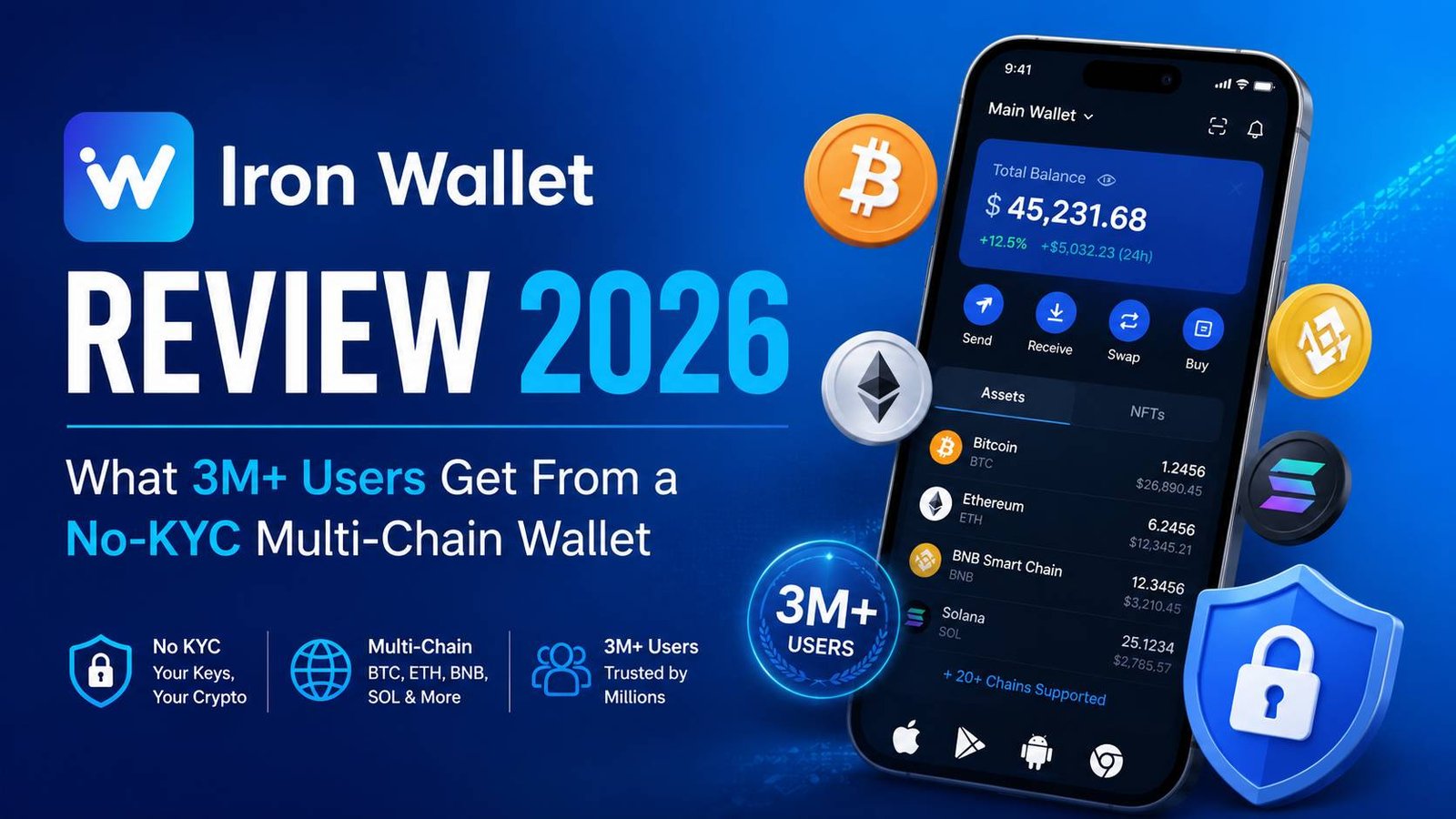
IronWallet emphasizes privacy protection alongside multi-chain cryptocurrency support, appealing to users prioritizing anonymity in their crypto transactions. The software wallet supports numerous blockchains and implements privacy features minimizing exposure of your transaction patterns and balances. IronWallet provides integrated exchange functionality and reasonable security features suitable for users managing moderate cryptocurrency holdings.
The cryptocurrency wallet works particularly well for privacy-conscious users who don’t require the extreme security of hardware wallets but want better privacy protection than mainstream software wallets provide. The multi-chain support ensures you can manage diverse cryptocurrency holdings within a single application. For users valuing privacy alongside convenience, IronWallet represents a thoughtful digital wallet solution addressing privacy concerns many mainstream crypto wallets overlook.
11. Mycelium: The Advanced Bitcoin and Cryptocurrency Wallet
Mycelium serves experienced cryptocurrency users seeking advanced functionality without sacrificing security. The mobile wallet supports Bitcoin, Ethereum, and numerous other cryptocurrencies while providing features like hardware wallet integration and advanced transaction fee management. Mycelium appeals to power users and traders requiring sophisticated cryptocurrency management capabilities.
The cryptocurrency wallet implements features appealing to technical users, including the ability to import private keys and manage multiple accounts. Mycelium’s integration with external hardware wallets provides flexibility for users combining different crypto storage approaches. For experienced cryptocurrency users managing complex portfolios and desiring technical depth, Mycelium delivers a powerful digital wallet solution meeting sophisticated needs.
Selecting Your Ideal Crypto Wallet: A Practical Framework
Choosing the right cryptocurrency wallet requires considering your specific circumstances, including the amount of cryptocurrency you hold, your transaction frequency, and your technical comfort level. Individuals holding substantial cryptocurrency wealth should prioritize hardware wallets, accepting slightly reduced convenience in exchange for dramatically improved digital asset security. The crypto wallet you choose should match your behavioral patterns and risk tolerance.
Security-First Approach for Large Holdings
For investors managing cryptocurrency holdings worth significant monetary value, a hardware wallet investment becomes essential. The Ledger Nano S Plus or Trezor Model T provide exceptional crypto storage security at reasonable price points. These cryptocurrency wallets eliminate the vulnerability inherent in storing private keys on internet-connected devices. Combined with proper backup procedures and strong passwords, hardware wallets provide security approaching that of cryptocurrency exchanges while maintaining full user control.
Convenience-Focused Approach for Active Users
Users actively engaging with decentralized finance, trading frequently, or managing diverse blockchain interactions should prioritize accessibility alongside security. MetaMask, Trust Wallet, and Coinbase Wallet provide excellent balances between cryptocurrency security and interaction capability. These software wallets sacrifice the maximum security of hardware wallets but enable seamless blockchain interaction that hardware wallets cannot match. For users maintaining reasonable cybersecurity practices and avoiding phishing attacks, hot wallets prove entirely adequate for transaction cryptocurrency holdings.
Multi-Wallet Strategy for Comprehensive Management
Many experienced cryptocurrency users employ multiple wallets simultaneously, utilizing a hardware wallet for long-term holdings while maintaining a smaller-balance hot wallet for frequent transactions. This strategy maximizes both security and convenience, keeping most wealth in cold storage while maintaining flexibility for regular activity. Ledger and Trezor wallets work excellently with popular software wallets, enabling this hybrid cryptocurrency storage approach.
Conclusion
The best crypto wallets available in August 2026 reflect the maturation of the cryptocurrency ecosystem, offering options suitable for every user profile from security-obsessed Bitcoin maximalists to active DeFi participants. Hardware wallets like Ledger and Trezor provide uncompromising cryptocurrency security for investors managing substantial holdings. Software wallets including MetaMask, Trust Wallet, and Coinbase Wallet deliver practical convenience for active cryptocurrency users willing to accept moderate security trade-offs.
Selecting your cryptocurrency wallet ultimately depends on your specific needs, technical expertise, and risk tolerance. Beginners should prioritize user-friendly solutions like Exodus or MetaMask before potentially graduating to specialized hardware wallets as their holdings grow. Experienced users managing significant cryptocurrency wealth should invest in hardware wallets, recognizing this as insurance protecting valuable digital assets. Whatever wallet you select, remember that proper security practices—strong passwords, recovery phrase protection, and vigilance against phishing—matter far more than selecting any particular application.
The cryptocurrency landscape continues evolving, and the digital wallets serving your needs in 2026 will likely improve further as developers and security researchers continue refining cryptocurrency storage solutions. Regularly reassess your wallet choice as your circumstances and the available crypto solutions change. By selecting an appropriate cryptocurrency wallet and maintaining vigilant security practices, you can confidently manage your digital assets in the exciting blockchain ecosystem.
Frequently Asked Questions
1. What’s the difference between a hardware wallet and a software wallet?
A hardware wallet stores your private keys on a specialized physical device that remains offline, providing maximum security against hacking and malware. A software wallet keeps private keys on your computer or smartphone, making them more vulnerable to digital attacks but enabling faster transaction execution. Hardware wallets suit long-term cryptocurrency storage of valuable holdings, while software wallets work better for active trading and frequent transactions. The ideal approach often combines both: a hardware wallet for secure storage and a software wallet for regular activity.
2. Can I lose my cryptocurrency if I use a software wallet?
Your cryptocurrency remains on the blockchain regardless of your wallet choice. What you risk losing through poor wallet security are your private keys, which grant access to your holdings. If someone steals your private keys through hacking, malware, or phishing attacks, they can transfer your cryptocurrency to their addresses. Software wallets are more vulnerable to these attacks than hardware wallets, but vigilant security practices including strong passwords, recovery phrase protection, and avoiding suspicious links substantially reduce your risk.
3. What happens if I lose my recovery phrase?
Your recovery phrase, also called a seed phrase or mnemonic, represents the master key to your cryptocurrency wallet. If you lose it without having previously backed it up elsewhere, you permanently lose access to your cryptocurrency holdings. There’s no recovery mechanism—no customer service can restore your funds without your recovery phrase. This is why storing your recovery phrase securely in multiple physical locations (not digital storage) is absolutely critical. Write it down on paper, store copies in secure locations, and never photograph it or store it digitally where hackers might access it.
4. Is it safe to store cryptocurrency on an exchange like Binance or Coinbase?
Storing cryptocurrency on a centralized exchange involves trusting that exchange’s security infrastructure and solvency. While major exchanges like Binance and Coinbase implement institutional-grade security, they remain attractive targets for hackers and are subject to regulatory risks. The cryptocurrency industry adage “not your keys, not your coins” reflects this reality—when your cryptocurrency resides on an exchange, you don’t control the private keys, meaning the exchange technically controls your funds. For small holdings used actively for trading, exchange storage provides convenience. For significant long-term holdings, self-custody through a cryptocurrency wallet gives you direct control and eliminates counterparty risk.
5. Can I use the same cryptocurrency wallet for all my digital assets?
Most cryptocurrency wallets support multiple blockchain networks and numerous cryptocurrencies, enabling you to store Bitcoin, Ethereum, and thousands of alternative tokens within a single application. MetaMask supports Ethereum and EVM-compatible blockchains, Trust Wallet supports dozens of independent blockchains, and Ledger wallets support nearly every major cryptocurrency. However, some wallets specialize in specific cryptocurrencies—BlueWallet focuses exclusively on Bitcoin, for example. Before selecting a crypto wallet, verify it supports all the cryptocurrencies you plan to hold. Most modern wallets provide excellent multi-asset support, making separate wallets unnecessary unless you have specific specialized needs.