

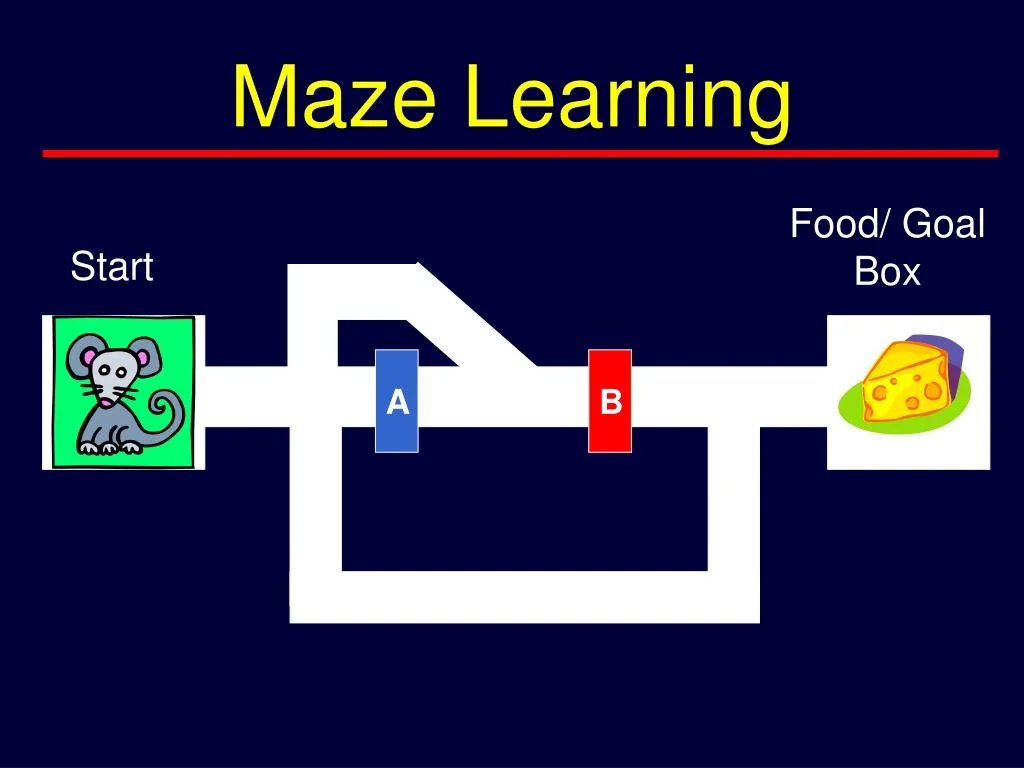
Watch a five year old attack a maze puzzle for the first time and you will see something interesting happen. The first few attempts are pure trial and error, finger dragging along the page, hitting dead end after dead end. Then something clicks. They stop moving and start looking, tracing the path with their eyes before committing a single move. That shift, from random guessing to actual planning, is the entire reason a learning maze game earns a place in classrooms, homeschool routines, and screen time rotations, and it is also the part most articles on this topic completely skip over.
This guide covers what a learning maze game actually trains in a developing brain, the real differences between digital and printable formats, how to pick the right difficulty and theme for a specific age, and where to draw the line between a genuinely educational maze and a game that just happens to look like one. No filler, no recycled listicle structure, just the details that matter if you are choosing one for a kid, a classroom, or honestly even for yourself.
What a Learning Maze Game Actually Is
Snippet answer: A learning maze game is a puzzle activity, digital or printed, where a player traces or navigates a path from a starting point to a goal through a branching network of paths and dead ends, designed specifically to build problem solving, spatial reasoning, and focus rather than pure entertainment.
The distinction between a learning maze game and a plain maze matters more than people assume. A plain maze is just a puzzle. A learning maze game usually layers an additional skill on top of the pathfinding itself, counting by fives to find the correct route, matching uppercase and lowercase letters along the path, or identifying vocabulary words at each junction. That layering is what separates a genuinely educational format from something that is only maze shaped.
The Real Cognitive Benefits Behind a Learning Maze Game
It would be easy to wave a hand and say mazes are good for the brain without explaining why. Here is the actual mechanism behind each benefit, since the how matters more than the marketing copy.
Spatial Reasoning and Visual Tracking
Solving a maze requires holding a mental map of the board while your eyes scan multiple paths simultaneously, a skill directly tied to later success in geometry, map reading, and even reading comprehension, since tracking a line of text left to right uses a related visual tracking mechanism. Kids who struggle with letter reversals or losing their place while reading often benefit specifically from this kind of visual path tracing practice.
Working Memory and Forward Planning
A good learning maze game forces a player to hold several possible routes in mind at once, testing one mentally before committing to it physically. That is working memory in action, the same cognitive muscle used for mental math, following multi step instructions, and remembering what a paragraph said by the time you reach the end of it.
Frustration Tolerance and Patience
This one gets skipped constantly. Mazes are one of the few puzzle formats where hitting a dead end is built into the design, not a failure state. Every wrong turn is genuinely part of the process, not a mistake to feel bad about, which makes maze puzzles a surprisingly gentle way to build tolerance for the kind of productive frustration that shows up constantly in real academic work.
Fine Motor Control in Printable Formats
Tracing a path with a pencil, staying inside the lines through tight turns, is a genuine handwriting readiness skill for younger children, which is exactly why printable mazes remain a staple in preschool and kindergarten classrooms even in an increasingly digital curriculum.
Digital vs Printable Learning Maze Game Formats
Snippet answer: Digital learning maze games offer instant feedback, adjustable difficulty, and themed variety, while printable mazes build fine motor control and work well for screen free practice, so the better choice depends on the specific skill you are targeting rather than one format being universally superior.
When Digital Wins
Browser and app based mazes shine for repeat play, since most regenerate a new layout every attempt instead of becoming memorized after the first solve. They also handle instant win state feedback well, useful for classroom centers where a teacher cannot personally check every worksheet. Touch and arrow key controls add a coordination layer printable mazes cannot replicate.
When Printable Wins
Paper mazes remain the better choice for toddlers still developing pencil grip, for screen free homework time, and for any classroom without reliable device access. They also allow a level of customization, a teacher can hand draw a maze tied to that week’s spelling words in a way no app template quite matches.
How to Pick the Right Learning Maze Game by Age
Ages 2 to 4: Simple Single Path Mazes
At this age, a learning maze game should have exactly one obvious path with minimal branching, since the goal is building basic direction concepts and pencil or finger control, not genuine problem solving yet. Bright colors and a clear, large start and end point matter more than complexity here.
Ages 5 to 7: Branching Paths With a Learning Layer
This is the sweet spot for mazes that combine navigation with an academic skill, counting to twenty, tracing the alphabet, or matching shapes at each junction. Board size should stay small enough to complete in under five minutes, since attention spans at this age genuinely cannot sustain a ten minute single puzzle without frustration setting in.
Ages 8 and Up: Multi Solution and Timed Formats
Older kids benefit from mazes with multiple possible routes of differing efficiency, which introduces a light optimization element, not just finding a path but finding a good one. Timed modes and light competitive elements, beating a personal best time, work well here without becoming stressful the way they might for a younger child.
Matching a Learning Maze Game to a Specific Subject
The single biggest upgrade you can make to any maze activity is tying the theme directly to whatever a child is already learning, rather than treating the maze as a standalone distraction. A math focused maze that requires counting by twos or fives to find the correct branch reinforces number sequencing far more effectively than a generic animal themed maze ever will. Alphabet mazes, tracing from A to Z in order, work well for preschool letter recognition, while vocabulary mazes that require picking the correctly spelled word at each fork suit early elementary spelling practice.
Seasonal and holiday themed mazes get dismissed as pure decoration, but they carry real value for keeping engagement high during repetitive practice weeks, a fall themed counting maze in October genuinely holds a child’s attention longer than the same maze wrapped in a neutral, generic skin. The content underneath matters more than the theme, but the theme is what gets a reluctant learner to actually sit down and start.
Snippet answer: The best learning maze game for a specific subject pairs the path finding mechanic directly with the skill being practiced, counting sequences for math, letter order for early literacy, or vocabulary recognition for spelling, rather than using a generic maze with no subject tie in.
What to Look for in a Genuinely Well Made Learning Maze Game
A handful of practical details separate a maze resource worth bookmarking from one you will close after a single visit. Check whether the difficulty actually scales gradually rather than jumping from trivially easy to frustratingly hard with nothing in between. Look for a genuine variety of themes rather than the same three animal templates recolored a dozen times. Confirm the site regenerates new maze layouts on replay instead of showing the identical puzzle every single session, since a memorized maze stops exercising any of the cognitive benefits covered earlier the moment a child has solved it once. And if it is a digital format, test how it handles both mouse and touch input, since a maze that works cleanly on a classroom desktop but turns clumsy on a tablet is going to frustrate exactly the age group most likely to be using a tablet in the first place.
Not everything labeled educational actually teaches anything, and this corner of the internet has its share of low effort content riding the coattails of a genuinely useful genre. A few warning signs are worth knowing before handing a device to a child unsupervised.
None of this means every free maze site is a trap. Plenty of genuinely well built educational maze resources exist with light, non intrusive ads or no ads at all. It just means treating the word educational on a game’s landing page as a claim to verify, not a fact to assume.
Bringing Maze Puzzles Into a Classroom or Homeschool Routine
Teachers looking to fold a learning maze game into an actual lesson plan get the most value pairing the maze with the specific unit already being taught, a fraction themed maze during a math unit, a vocabulary maze during a reading unit, rather than treating maze time as an unrelated filler activity. Five to ten minutes as a warm up or a fast finisher activity tends to work better than a full class period, since the puzzle format loses its engagement value once it stretches past the point where most students have already solved it.
Homeschool parents get similar mileage treating mazes as a five minute transition activity between subjects rather than the core lesson itself, since the format works best as reinforcement of something already taught, not as the primary teaching method for new material.
If Your Kid Enjoys Browser Puzzle Games Beyond Mazes
A learning maze game is often a gateway into the wider world of browser based logic puzzles, and once a kid graduates past simple mazes, there is a lot more of that genre worth knowing about, including which sites are actually safe for a child to use unsupervised.
If a maze fan is ready for something with more structured levels and a genuine trophy and progression system, our Blocky 3 game review breaks down a color matching puzzle series that shares the same logic first, no pressure appeal as a good maze, minus any aggressive monetization.
And since so many free maze and puzzle sites live in the same corner of the internet as unblocked game hubs, our guide to Weebly games and how to spot a sketchy site is worth reading before letting a kid loose on any random free browser game site, maze themed or otherwise, since the safety checklist applies just as much here.
Frequently Asked Questions
What is a learning maze game good for
A learning maze game builds spatial reasoning, working memory, visual tracking, patience, and, in printable formats, fine motor control, while often reinforcing an academic skill like counting or letter recognition layered into the path itself.
What age should kids start playing maze games
Children as young as two or three can start with simple, single path mazes to build basic direction concepts, with more complex branching mazes becoming appropriate around ages five to seven as problem solving skills develop.
Are digital maze games better than printable ones
Neither format is universally better. Digital mazes offer instant feedback and endless variety, while printable mazes build fine motor and pencil control skills that a screen based format cannot replicate, so the better choice depends on the specific goal.
Can maze games actually help with reading skills
Yes, indirectly. The left to right visual tracking used to trace a maze path shares a cognitive mechanism with the visual tracking required to read a line of text, which is part of why maze puzzles are common in early literacy centers.
How long should a child spend on a learning maze game
Five to ten minutes at a time works well for most age groups, since the puzzle format is most effective as a warm up or transition activity rather than a sustained, lengthy session that risks turning into frustration or fatigue.
Are free online maze games safe for kids to use alone
Safety depends heavily on the specific site rather than the maze format itself. Parents should check for excessive ads, fake close buttons, signup requirements for a supposedly free game, and generally supervise early sessions before allowing independent play.
Related Reading
This article fits naturally under Blockyr’s Blocky Games category, alongside other browser based puzzle and casual game coverage.
- Blocky 3 Game Review: Tips, Tricks & Everything You Need to Know
- Weebly Games: What They Are, How They Work, and How to Play Them Safely
For background on the maze as a puzzle format and its long history beyond games, see the Wikipedia entry on mazes.ge.