

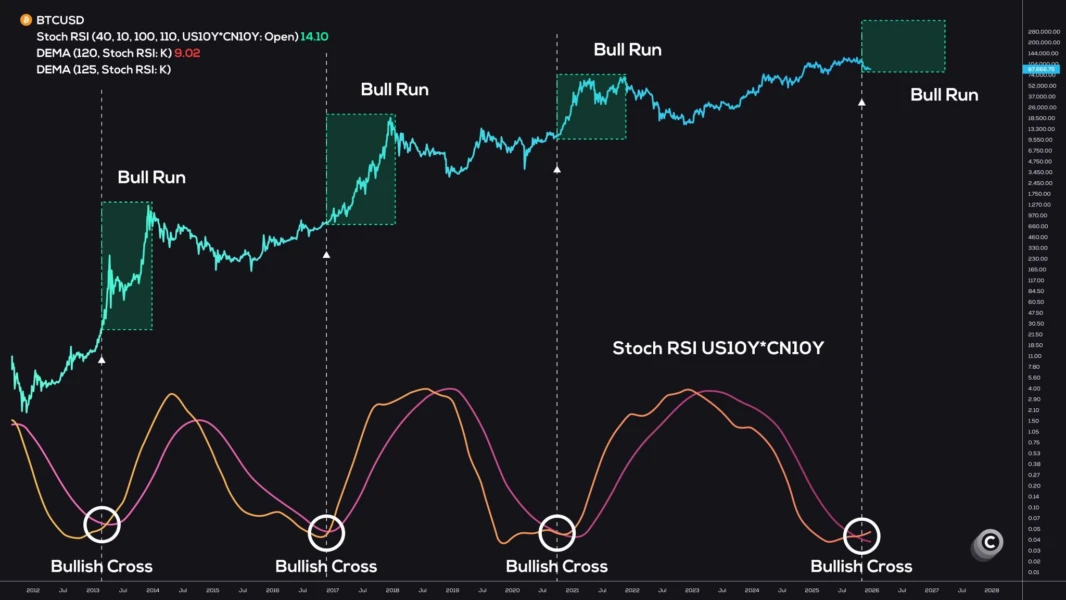
The cryptocurrency market continues to demonstrate resilience in the face of volatility and mounting sell-off pressures that have characterized recent trading sessions. As we navigate through August 2026, Bitcoin (BTC) has successfully maintained its ground at the $63,500 mark, showcasing remarkable stability that defies the bearish sentiment circulating among some market participants. This achievement is particularly noteworthy given the macroeconomic headwinds and regulatory scrutiny that have periodically threatened to destabilize digital asset valuations throughout the year.
What makes the current market dynamics especially intriguing is not merely Bitcoin’s ability to hold support levels, but rather the emergence of innovative blockchain projects that are simultaneously capturing institutional and retail investor capital. Among these promising ventures stands LiquidChain, a Layer 3 scaling solution that has begun to attract considerable attention from venture capital firms, cryptocurrency funds, and forward-thinking developers seeking to address the persistent challenges of network congestion and transaction costs that have long plagued earlier-generation blockchains.
This article delves deep into the current state of crypto markets, examining the forces that continue to support Bitcoin’s valuation while exploring why Layer 3 blockchain solutions like LiquidChain represent a compelling investment thesis for the next generation of decentralized applications (dApps) and digital finance infrastructure. Understanding these dual phenomena—Bitcoin’s steadfastness and the capital inflows into emerging Layer 3 projects—provides essential context for investors, traders, and cryptocurrency enthusiasts seeking to navigate the increasingly complex landscape of digital assets.
Bitcoin’s Current Market Position
Bitcoin’s ability to maintain the $63,500 price level represents far more than a simple technical achievement in the crypto trading realm. This consolidation reflects a fundamental shift in how the market perceives long-term value storage and the role of digital currencies in a diversified investment portfolio. The BTC price action has become increasingly important for market sentiment, as Bitcoin traditionally serves as a bellwether for broader cryptocurrency market trends.
The Mechanics Behind Bitcoin’s Price Stability
The persistence of Bitcoin at $63.5K despite considerable selling pressure suggests that buy orders are entering the market at approximately this level, creating what technical analysts refer to as a support level. This phenomenon occurs when sufficient demand emerges to absorb the selling interest that continuously flows into the market from profit-taking traders, short-term speculators, and investors rebalancing their portfolios.
The Bitcoin market dynamics at this price point reveal something crucial about the current investor sentiment. Institutional investors, who have progressively increased their crypto holdings since the approval of spot Bitcoin ETFs, appear committed to maintaining exposure at current valuations. These large capital pools have demonstrated their willingness to purchase Bitcoin during dips, effectively placing a floor under the cryptocurrency price and preventing a more severe downturn. This contrasts sharply with the bear market conditions that characterized previous cycles, when Bitcoin would frequently break through support levels with little institutional buying interest to arrest the decline.
Furthermore, the global cryptocurrency market has matured considerably since Bitcoin’s inception, and the present $63,500 valuation reflects a more sophisticated pricing mechanism informed by numerous fundamental and technical factors. The digital asset ecosystem now includes regulatory clarity in many jurisdictions, increased mainstream adoption, and growing recognition of Bitcoin’s utility as a store of value and medium of exchange.
Sell Pressure and Market Resilience
Understanding why Bitcoin faces persistent sell pressure requires examining both the external and internal factors affecting cryptocurrency trading patterns. On the external front, macroeconomic considerations continue to weigh on investor sentiment. Interest rate expectations, inflation data, and geopolitical developments create a backdrop against which crypto market movements occur. When traditional markets experience volatility, some traders liquidate digital asset positions to raise cash, creating selling pressure that tests Bitcoin’s support levels.
Internally, the Bitcoin network generates its own selling pressure through various mechanisms. Long-term holders occasionally decide to take profits after significant gains, miners continuously sell a portion of their block rewards to cover operational costs, and derivative traders managing leveraged positions occasionally face liquidations that force asset sales. These varied sources of selling pressure ensure that Bitcoin’s price rarely remains static, instead fluctuating within a trading range that reflects the dynamic balance between supply and demand.
What distinguishes the current environment is the crypto market’s apparent acceptance of these selling pressures without panic-driven capitulation. In previous bear markets, a sustained period of selling would typically lead to accelerating downward price movements as technical support levels broke, triggering cascading liquidations. Today’s market structure, fortified by institutional participation and improved blockchain infrastructure, appears more resilient to such dynamics.
The Rise of Layer 3 Scaling Solutions
To fully appreciate why projects like LiquidChain are attracting significant capital, one must first understand the technical and economic imperatives driving the evolution of blockchain architecture. The early versions of cryptocurrency networks, including the original Bitcoin and Ethereum protocols, faced inherent scalability limitations that constrained their ability to process cryptocurrency transactions efficiently and affordably.
Why Layer 3 Projects Matter
Layer 3 solutions represent the latest evolution in a multi-tiered approach to solving blockchain scalability challenges. The foundational blockchain networks (Layer 1) maintain decentralization and security through their distributed consensus mechanisms, but this security comes at the cost of processing speed and capacity. Layer 2 solutions emerged as an intermediate step, moving transactions off the main chain while maintaining security guarantees. Layer 3 projects, however, introduce an additional dimension by building specialized application chains optimized for specific use cases, achieving even greater transaction throughput while maintaining connectivity to the underlying blockchain.
LiquidChain, exemplifying this architectural approach, promises to deliver sub-second transaction finality, dramatically reduced gas fees, and throughput measured in thousands of transactions per second. For developers and enterprises seeking to deploy decentralized applications at scale, these improvements represent transformative capabilities that were previously unattainable on earlier-generation blockchain platforms.
The capital inflows into LiquidChain and similar Layer 3 projects reflect investors’ recognition that scalability is not merely a technical problem but an economic opportunity. As more entrepreneurs and enterprises recognize the potential of blockchain technology, the demand for efficient smart contract platforms and decentralized finance (DeFi) infrastructure intensifies. Projects that can deliver the necessary infrastructure improvements to support this expansion stand to capture enormous value.
The Competitive Landscape of Layer 3 Solutions
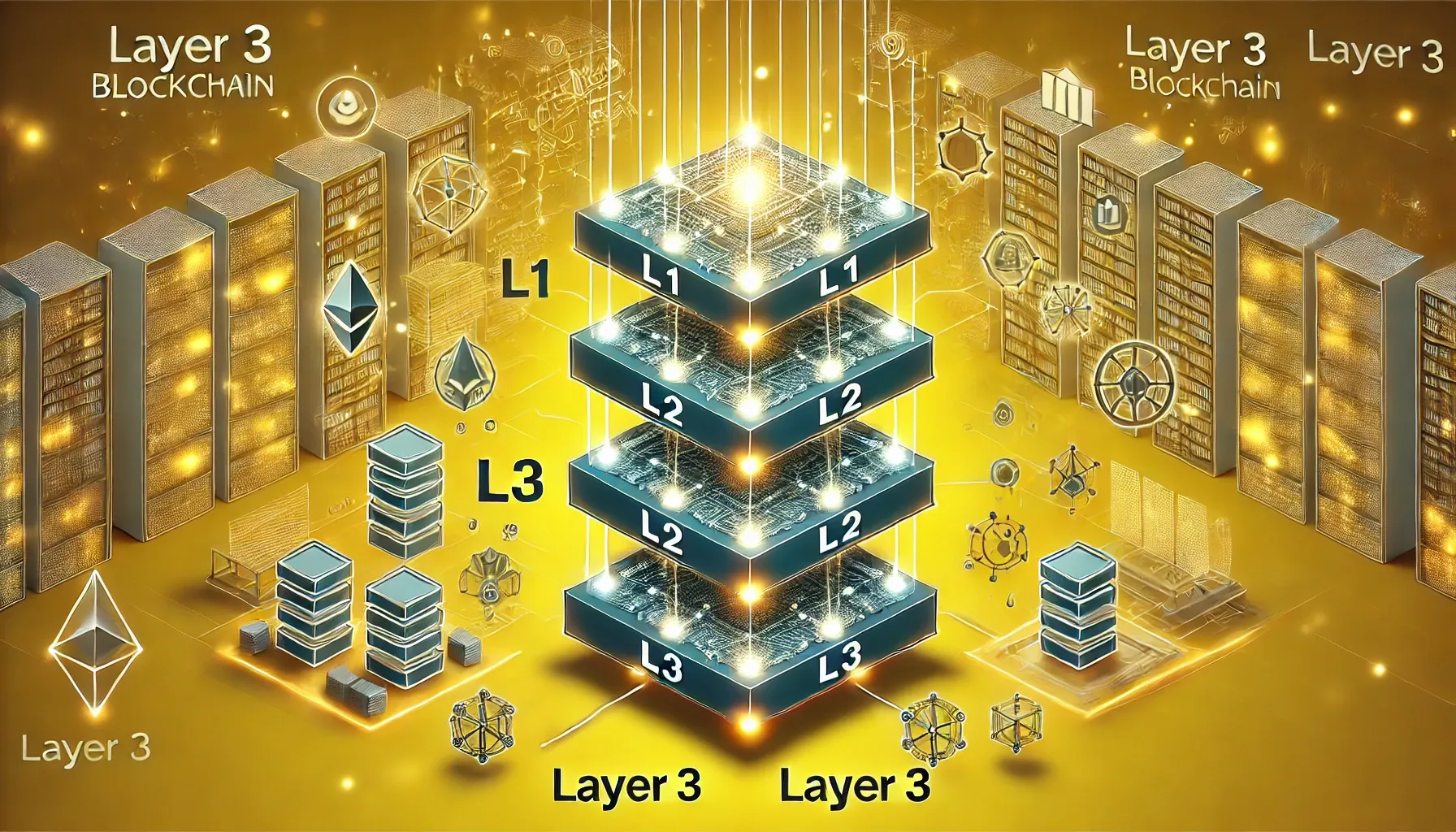
The emerging Layer 3 ecosystem is far from monolithic. Various projects have adopted different technical approaches, consensus mechanisms, and optimization strategies. Some blockchain projects prioritize general-purpose computation, aiming to replicate Ethereum’s flexibility at superior scalability. Others specialize in specific domains—perhaps optimized for DeFi protocols, NFT marketplaces, or gaming applications. This diversification reflects a maturing understanding that different applications have different requirements, and one-size-fits-all solutions may prove suboptimal.
LiquidChain appears to occupy an interesting middle ground, neither purely general-purpose nor narrowly specialized. This positioning allows the project to attract diverse development communities while maintaining technical coherence and optimization potential. The venture capital community’s enthusiasm for LiquidChain likely stems from this flexibility, as it preserves optionality while still delivering concrete technical improvements over existing blockchain infrastructure.
The competitive dynamics within Layer 3 development also create opportunities for incumbent cryptocurrency networks to evolve and improve. Ethereum’s own roadmap includes considerations for how Layer 3 solutions might integrate with the broader ecosystem, and other blockchain platforms similarly recognize the importance of supporting scalable secondary networks. This competitive pressure accelerates innovation across the entire digital asset ecosystem, ultimately benefiting end users through improved cryptocurrency services and reduced transaction costs.
Capital Attraction and Investment Thesis
The decision by venture capitalists and cryptocurrency funds to allocate capital toward Layer 3 projects like LiquidChain reflects evolving perspectives on value creation within the digital asset sector. These investment decisions are rarely made lightly; they represent a synthesis of technical evaluation, market opportunity assessment, and competitive analysis.
Why Investors Are Betting on Layer 3
Venture investment in blockchain projects has historically concentrated on applications—the end-user facing products and services that generate utility. Layer 1 and Layer 2 infrastructure projects received substantial funding in earlier cycles, but the success of Ethereum and other established platforms has shifted attention toward derivative value creation. Layer 3 solutions occupy an interesting space because they represent both infrastructure and application platforms simultaneously.
From an investment perspective, Layer 3 projects offer several compelling characteristics. First, they address a genuine market problem: the billions of dollars spent on transaction fees across the cryptocurrency ecosystem represent pure economic waste from users’ perspectives. A Layer 3 solution that can capture even a small percentage of this spending through fee monetization and token appreciation represents an enormous opportunity. Second, these projects benefit from network effects; as more developers deploy applications on a Layer 3 platform, the value of holding and staking the platform’s native token increases, creating an incentive cycle that benefits early investors.
Third, Layer 3 projects can launch with a clear competitive differentiation and technical roadmap. Unlike Layer 1 blockchains, which must build entire ecosystems from scratch, Layer 3 projects inherit security assumptions and liquidity from their underlying networks, allowing them to focus development efforts on specific optimizations and features. This allows project teams to move faster and more efficiently than Layer 1 alternatives.
The Token Economics of LiquidChain
The specific appeal of LiquidChain likely extends to its token economics and cryptocurrency incentives. Most blockchain projects implement token systems that serve multiple functions: governance (allowing token holders to vote on protocol changes), payment (for transaction fees or service usage), and staking (enabling participation in consensus or fee distribution mechanisms).
Well-designed token economics ensure that early investors, developers, and participants in a blockchain network benefit as the ecosystem grows and adoption increases. If LiquidChain’s tokenomics align supply and demand appropriately, and if the project successfully attracts an active developer community, then early capital investors may realize substantial returns as the token gains liquidity and appreciation potential.
The crypto investment community has historically rewarded projects that clearly articulate their token utility, demonstrate technical competence, and assemble experienced management teams. LiquidChain’s ability to attract capital suggests it has successfully communicated a compelling story on each of these dimensions.
Market Dynamics and Future Outlook
The simultaneous strength in Bitcoin and the capital flows into emerging Layer 3 projects paint a picture of a cryptocurrency market that is simultaneously mature and innovative. This apparent paradox resolves when we recognize that Bitcoin and Layer 3 projects serve different functions and appeal to different investor cohorts.
Bitcoin as Macro Indicator
Bitcoin’s stability at $63.5K despite sell pressure suggests that the broader crypto markets have found an equilibrium price that reflects current fundamental information. This price level likely represents a balance between institutional investors viewing Bitcoin as an undervalued long-term store of value and traders taking profits or rebalancing portfolios. The fact that Bitcoin has not experienced a dramatic collapse despite facing considerable selling interest demonstrates the maturation of cryptocurrency markets and the depth of institutional participation.
The relationship between Bitcoin’s price stability and broader financial market conditions remains important to monitor. Should macroeconomic conditions deteriorate significantly or should major regulatory threats materialize, Bitcoin might face renewed downside pressure. Conversely, if inflation concerns resurface or traditional asset markets experience disruption, Bitcoin could extend gains from its current level.
The Growth Trajectory of Emerging Projects
The capital inflows into LiquidChain and comparable blockchain projects suggest that the venture capital community believes substantial value creation remains possible in the digital asset sector. This perspective implies expectations of continued expansion in cryptocurrency adoption, broader implementation of smart contracts across industries, and growing DeFi ecosystem maturity.
However, this optimistic assessment must be tempered by recognition of the risks inherent in Layer 3 development. Technical execution challenges, security vulnerabilities, or shifting developer preferences toward competing blockchain platforms could all impair the success of specific projects. The Layer 3 ecosystem will likely consolidate over time, with some projects achieving adoption at scale while others fail to gain meaningful traction.
Regulatory Environment and Compliance Considerations
The current regulatory framework surrounding cryptocurrency and blockchain projects has evolved considerably, with jurisdictions worldwide developing more sophisticated approaches to digital asset oversight. This regulatory maturation provides both opportunities and constraints for projects like LiquidChain.
Clearer regulatory pathways reduce uncertainty for crypto investors and blockchain developers, potentially accelerating adoption of decentralized technologies. Simultaneously, regulatory requirements may increase compliance costs for projects, particularly those seeking to serve users in major developed economies. LiquidChain’s approach to regulation—whether proactive engagement with regulators or careful jurisdictional selection—will significantly influence its long-term viability.
The regulatory environment surrounding Bitcoin has similarly stabilized, with most major jurisdictions having established clear tax treatment and cryptocurrency exchange licensing frameworks. This regulatory clarity likely contributes to institutional comfort with Bitcoin holdings, supporting the digital currency’s continued ability to attract and retain capital.
Conclusion
The cryptocurrency market in August 2026 presents a compelling study in simultaneously achieved maturation and ongoing innovation. Bitcoin’s maintenance of the $63.5K price level despite persistent sell pressure reflects institutional confidence in the long-term value proposition of the world’s leading digital currency. The crypto asset’s ability to maintain price stability in the face of macroeconomic headwinds and periodic technical selling demonstrates the strength of underlying cryptocurrency demand and the depth of institutional participation in the digital asset markets.
Concurrently, the capital attraction experienced by Layer 3 projects like LiquidChain indicates that investors and developers recognize substantial opportunities for value creation through technological innovation in the blockchain ecosystem. These Layer 3 solutions promise to address longstanding scalability challenges that have constrained the practical utility of earlier-generation blockchain networks, opening possibilities for cryptocurrency adoption at truly global scale.
Together, these developments suggest that the digital asset sector has progressed beyond the boom-bust cycles that characterized earlier cryptocurrency eras. A more mature, diversified ecosystem is emerging where established assets like Bitcoin maintain steady valuation alongside emerging opportunities in infrastructure innovation. For investors, traders, and developers, this environment presents both the need for careful analysis and the potential for substantial long-term value creation. As the blockchain industry continues to evolve, the interplay between established cryptocurrencies and innovative Layer 3 projects will likely remain a crucial dynamic shaping the sector’s future trajectory.