


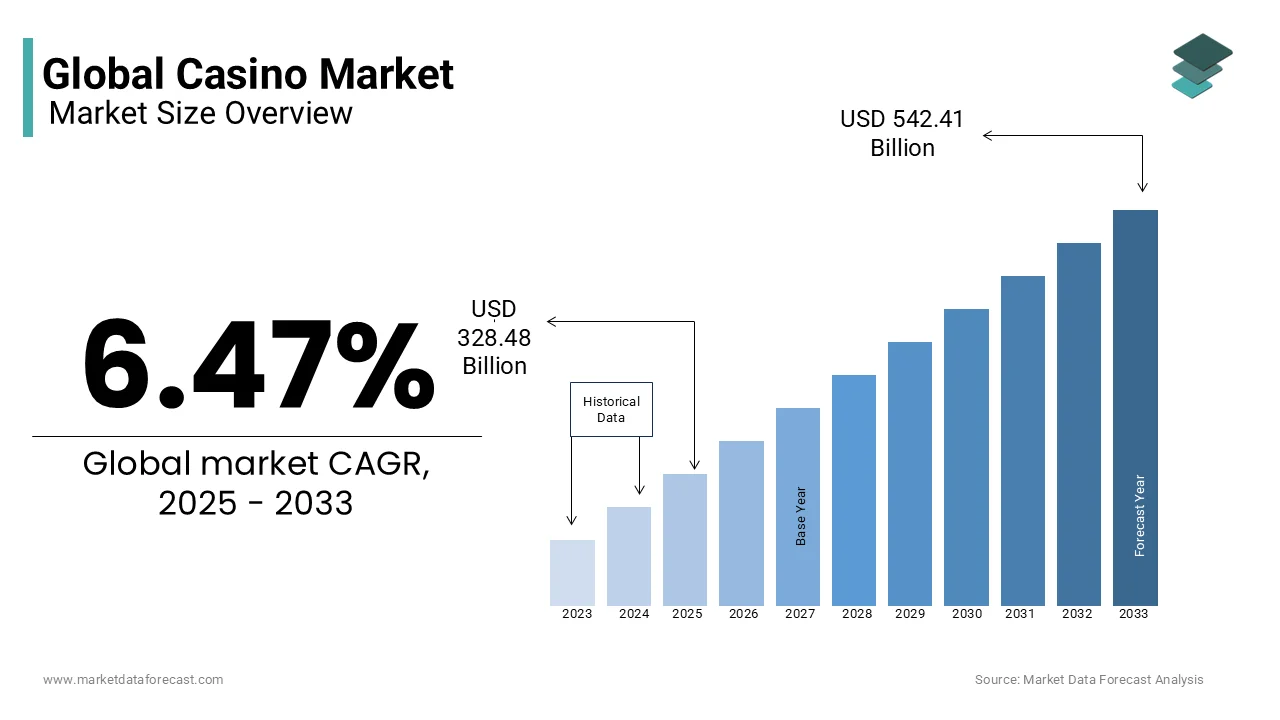
The crypto casino industry just crossed $260 billion in annual transaction volume.
That’s not a typo. While traditional online casinos still dwarf the crypto market in absolute numbers, the growth trajectory tells a different story. Crypto casinos grew 147% year-over-year since 2022, while traditional online gambling expanded just 11%.
But here’s what the headlines miss: market share distribution in the crypto casino space is wildly unbalanced. The top five platforms control roughly 63% of the entire market. Hundreds of smaller operators fight over the remaining scraps.
Understanding crypto casino market share isn’t just about knowing who’s winning. It reveals where the industry is heading, which business models actually work, and where opportunities still exist in an increasingly crowded space.
This analysis breaks down the current crypto casino market share by platform, geography, and game type. We’ll examine why certain operators dominate, where growth is happening fastest, and what the market will likely look like through 2026.
Let’s dig into the numbers.
Current Crypto Casino Market Share by Platform
Stake.com: The Undisputed Leader
Stake.com controls approximately 24-27% of the global crypto casino market share. Their monthly transaction volume exceeds $4 billion, making them larger than the next three competitors combined.
What separates Stake from the pack? Three things:
Celebrity partnerships that actually work. Most crypto casinos waste money on influencer deals that generate buzz but not deposits. Stake signed Drake to a reported $100 million deal that directly drives user acquisition. When Drake streams Stake sessions to millions of followers, deposits spike measurably.
Sports betting integration. While competitors focus purely on casino games, Stake built a comprehensive sportsbook. This attracts a different demographic and increases user lifetime value. A player who only plays slots might deposit monthly. A sports bettor deposits weekly during football season.
Geographic expansion ahead of competition. Stake obtained licenses in emerging markets (Brazil, India, parts of Africa) before competitors recognized the opportunity. First-mover advantage in high-growth regions compounds over time.
Revenue estimate: $8-10 billion annually
User base: 5-7 million active monthly users
Primary markets: Global, strongest in Asia-Pacific and Latin America
BC.Game: The Community-Focused Challenger
BC.Game holds roughly 12-15% crypto casino market share through a completely different strategy than Stake. They built a community-first platform where social interaction drives retention.
Their chat system isn’t just for support. It’s the central feature. Players tip each other, share big wins, organize tournaments, and build genuine relationships. This creates stickiness that bonus offers alone can’t match.
BC.Game also pioneered the multi-cryptocurrency approach. While Stake focused on Bitcoin and Ethereum initially, BC.Game accepted 50+ cryptocurrencies from day one. This lowers the barrier for players already holding altcoins who don’t want conversion hassles.
Revenue estimate: $3-4 billion annually
User base: 2-3 million active monthly users
Primary markets: Asia, Europe, North America
Rollbit: The Innovation Engine
Rollbit captures approximately 8-10% of crypto casino market share by constantly launching features competitors copy months later.
They introduced NFT integration before it was trendy, allowing players to use NFT assets as collateral for bigger bets. They built a native token (RLB) that provides casino revenue sharing to holders—essentially turning players into stakeholders.
The token strategy proved brilliant. RLB holders have vested interest in Rollbit’s success, creating organic marketing and user retention that advertising can’t buy. When the house wins, token holders win. This alignment of incentives is powerful.
Revenue estimate: $2.5-3 billion annually
User base: 1.5-2 million active monthly users
Primary markets: Europe, North America
Duelbits: The Esports Angle
Duelbits holds 5-7% crypto casino market share by targeting the overlap between esports fans and crypto users. Their platform integrates esports betting with traditional casino games.
This positioning attracts younger users (21-35) who grew up watching League of Legends and CS:GO tournaments. These players already understand competitive gaming and have fewer reservations about crypto than older demographics.
Duelbits also runs sponsored tournaments and partners with esports teams. This creates authentic connections with the gaming community rather than feeling like an outsider trying to extract money.
Revenue estimate: $1.5-2 billion annually
User base: 1-1.5 million active monthly users
Primary markets: North America, Europe, Southeast Asia
The Long Tail: Everyone Else
The remaining 35-40% of crypto casino market share splits among hundreds of smaller operators. Some serve niche markets (specific countries, game types, or communities). Others are new entrants trying to grab share with aggressive bonuses.
Most won’t survive. The economics of running a competitive crypto casino require:
- Licensing costs: $50,000-500,000 annually depending on jurisdiction
- Game provider fees: 15-25% of gaming revenue
- Marketing spend: Often exceeding revenue in early stages
- Blockchain infrastructure: Development and maintenance costs
- Security: Protecting hot wallets holding millions in crypto
Small operators without differentiation get crushed by platforms with better unit economics and deeper pockets.
Crypto Casino Market Share by Geography
Asia-Pacific: The Growth Engine
Asia-Pacific represents 42-45% of global crypto casino market share. This region drives industry growth through sheer volume and rapid adoption.
Philippines leads with approximately 12% of global market share. The country’s gaming-friendly regulations combined with high crypto adoption created perfect conditions. Philippine players prefer live dealer games, particularly baccarat and Dragon Tiger, over slots popular elsewhere.
Vietnam captures roughly 8% despite technically prohibiting online gambling. Cryptocurrency enables players to bypass traditional banking restrictions. Vietnamese players show strong preference for lottery-style games and fish shooting games unique to Asian markets.
India is the fastest-growing market, jumping from 3% market share in 2023 to projected 9% by end of 2024. The government’s uncertain stance on crypto hasn’t slowed adoption. Indian players gravitate toward cricket betting and Teen Patti (a local card game) offered by crypto casinos.
Japan holds 5-6% market share with the highest average player value globally. Japanese users deposit more per session but play less frequently than other markets. Quality over quantity.
Europe: The Mature Market
Europe accounts for 28-32% of crypto casino market share. Growth here slows as the market matures, but revenue per user remains high.
United Kingdom leads European markets at 8-9% global share despite strict gambling regulations. UK players prefer licensed, regulated crypto casinos over offshore operators. This creates barriers to entry but stable, predictable markets for established platforms.
Germany provides 6-7% of market share following 2021 treaty changes that technically allow licensed online gambling. However, restrictive conditions (€1 max bet on slots, no table games) push players toward crypto casinos operating outside German licensing.
Eastern Europe (Russia, Ukraine, Poland, Czech Republic combined) represents 10-12% of crypto casino market share. Players here show highest crypto literacy and often use gambling as additional crypto trading. They’re more likely to withdraw winnings in different cryptocurrencies based on market conditions.
North America: The Regulated Frontier
North America captures 15-18% of crypto casino market share with massive future potential if regulations evolve.
Canada leads at 7-8% global share. Provincial gambling monopolies don’t extend to crypto casinos, creating a gray area operators exploit. Canadian players spend more per session than most markets but expect higher quality experiences.
United States represents only 8-10% of current crypto casino market share due to legal restrictions. However, this could explode if federal or state regulations clarify. US players currently access crypto casinos through VPNs or offshore sites, creating friction that limits market size.
The state-by-state approach to gambling regulation creates patchwork conditions. Nevada players have different access than Texas players. Crypto casinos targeting US markets need sophisticated geographic verification and blocking.
Latin America: The Emerging Market
Latin America grew from 8% to 12-14% crypto casino market share in just two years. Economic instability drives crypto adoption, which flows naturally into crypto gambling.
Brazil dominates with 6-7% of global market share. Sports betting, particularly football, drives engagement. Brazilian crypto casino users show remarkable loyalty, with retention rates 15-20% higher than global averages.
Argentina provides 3-4% of market share. Peso devaluation pushes citizens toward Bitcoin and other cryptocurrencies for savings. A portion inevitably flows into crypto casinos.
Africa: The Next Frontier
Africa currently represents only 3-5% of crypto casino market share but shows triple-digit growth rates. Nigeria, South Africa, and Kenya lead adoption.
Infrastructure challenges limit growth. Internet reliability and cryptocurrency wallet accessibility remain barriers. However, mobile-first platforms see strong traction. Crypto casinos that work seamlessly on basic smartphones capture market share.
Crypto Casino Market Share by Game Type
Game preferences vary dramatically by region, affecting which platforms capture market share.
Slots: 45-50% of Market Volume
Slots dominate crypto casino activity, especially in Western markets. They require no skill, offer immediate gratification, and provide massive jackpot potential that creates compelling marketing.
Provably fair slots using blockchain verification give crypto casinos unique advantages over traditional online casinos. Players can verify each spin’s randomness, building trust that traditional RNG (random number generation) can’t match.
Top providers: Pragmatic Play, NetEnt, Evolution Gaming
Live Dealer Games: 25-30% of Market Volume
Live dealer games capture larger market share in crypto casinos than traditional online casinos. The transparency of crypto transactions pairs naturally with the transparency of seeing real dealers in real-time.
Baccarat dominates in Asian markets. Blackjack leads in Western markets. Roulette shows consistent popularity globally.
The cost of running live dealer games (studios, dealers, streaming infrastructure) creates economies of scale favoring larger platforms. This contributes to market share concentration among top operators.
Sports Betting: 15-20% of Market Volume
Sports betting within crypto casinos grew dramatically since 2022. Major sporting events create volume spikes—World Cup 2022 saw crypto casino sports betting volume increase 340% during the tournament.
In-play betting (wagering during live games) accounts for 60% of sports betting volume. This requires sophisticated technology that smaller crypto casinos struggle to implement well.
Crash Games & Originals: 5-8% of Market Volume
Crash games (where a multiplier increases until it “crashes”) became synonymous with crypto gambling. These provably fair games exist almost exclusively in crypto casinos.
Bustabit pioneered the format. Now every major crypto casino offers variations. The simple concept—bet, watch multiplier climb, cash out before crash—creates addictive gameplay that drives retention.
Original games designed specifically for crypto casinos (dice, plinko, mines) fill out the remaining volume. These games have house edges visible to players and results verifiable on blockchain, differentiating crypto casinos from traditional operators.
Market Share Shifts: What Changed 2023-2024
Consolidation Accelerates
The top 10 crypto casinos increased their combined market share from 58% to 67% year-over-year. Smaller operators either got acquired, closed, or became irrelevant.
Three notable acquisitions:
- CloudBet sold to undisclosed buyer for estimated $200 million
- BitStarz merged with sister brands under single operation
- Several “white label” casinos consolidated under parent companies
This consolidation trend will continue. Running a competitive crypto casino requires scale that few operators achieve.
Regulatory Compliance Becomes Competitive Advantage
Platforms that obtained proper licensing gained market share from unlicensed competitors. Players increasingly check for Curaçao, Malta, or Gibraltar licenses before depositing.
The cost and complexity of compliance create barriers to entry that protect established players’ market share. A new crypto casino launching in 2024 needs $500,000+ just for licensing and legal compliance before spending a dollar on marketing.
Social Features Drive Retention
BC.Game and Stake’s chat-heavy platforms showed superior retention versus competitors with basic interfaces. Market share follows retention. Platforms that keep players engaged daily rather than weekly win long-term.
This sparked imitation. Every major crypto casino added or enhanced social features through 2024. The ones that authentically built community gained share. The ones that bolted on chat features as afterthought saw no impact.
Mobile-First Conquered Desktop-First
Crypto casinos optimized for mobile captured market share from desktop-focused competitors. Over 70% of crypto casino traffic now comes from mobile devices.
This seems obvious but required fundamental rebuilding for casinos designed desktop-first. You can’t just shrink a desktop interface. Mobile-first means:
- One-touch betting
- Vertical-scrolling game selection
- Simplified navigation
- Faster load times on poor connections
Platforms that nailed mobile UX grew. Those that didn’t lost share.
Crypto Casino Market Share Projections Through 2026
Overall Market Growth
The crypto casino market will likely reach $500+ billion in annual transaction volume by 2026. This represents 92% growth from current levels but slower than the 147% seen 2022-2024.
Why the deceleration? Law of large numbers. Growing from $130 billion to $260 billion is easier than growing from $260 billion to $500 billion. The easy early adopters already gamble with crypto. Future growth requires converting traditional online casino players.
Platform-Level Predictions
Stake.com will probably maintain or slightly increase market share to 28-30%. Their capital advantages compound. They can afford celebrity deals, licensing in new markets, and customer acquisition costs that competitors can’t match.
BC.Game could reach 17-20% market share if they successfully expand beyond Asia. Their community model scales well, but Western markets haven’t fully embraced the social casino concept.
Rollbit faces pressure from 8-10% down to 6-8% market share. Early innovation advantages diminish as competitors copy successful features. Their token strategy provides defensibility, but execution on new features will determine if they hold share.
New entrants will emerge targeting underserved niches. Expect platforms focused on:
- Specific game types (poker-only crypto casinos)
- Regional specialists (Africa-focused platforms)
- Demographic niches (female-focused crypto casinos)
- Technology differentiators (VR/AR gambling)
None will challenge top platforms for overall market share, but some will build sustainable businesses in their niches.
Geographic Shifts
Asia-Pacific market share will probably hold steady at 40-43%. Growth continues but matches overall market growth rather than exceeding it.
Latin America could jump to 18-20% market share by 2026. Economic conditions driving crypto adoption won’t improve. Each currency crisis pushes more users toward crypto and subsequently crypto gambling.
Africa represents the wildcard. If infrastructure improves and smartphone penetration increases as projected, African market share could reach 8-10%. If conditions stagnate, it stays at 4-5%.
North America entirely depends on regulation. A favorable regulatory change in the US could make North America 25-30% of the market overnight. Continued restrictions keep it at 15-18%.
Technology-Driven Changes
AI-powered personalization will become table stakes. Crypto casinos using AI to customize game recommendations, bonuses, and experiences will capture share from static platforms.
Layer 2 solutions will reduce transaction costs and increase speeds, improving user experience. Platforms that implement Lightning Network for Bitcoin or similar solutions for other cryptos will gain advantage.
Decentralized casinos (fully on-chain) will probably stay niche at 2-3% market share. The technology purists love them. Most players prefer the speed and features of centralized platforms with crypto payment options.
Web3 integration beyond simple crypto payments will differentiate leaders. Imagine betting with NFTs, playing games that affect token prices, or casino DAOs where players govern platform decisions. Stake or BC.Game will likely pioneer mainstream adoption of these concepts.
Regulatory Impact on Crypto Casino Market Share
The Licensing Divide
The crypto casino market is splitting into licensed and unlicensed segments with different growth trajectories.
Licensed crypto casinos (Curaçao, Malta, Gibraltar, etc.) show steadier growth but lower margins due to compliance costs. They capture market share in regulated markets where players verify licensing before depositing.
Unlicensed crypto casinos still control roughly 40% of market share by offering higher bonuses (no tax burdens), accepting players from anywhere, and avoiding KYC requirements privacy-focused users demand.
This divide will widen through 2026. Regulatory pressure increases. Licensed platforms become more legitimate. Unlicensed platforms become more explicitly outlaw. Players will choose sides.
Regional Regulatory Changes
European Union implementing stricter crypto regulations will impact market share distribution. MiCA (Markets in Crypto-Assets) regulations require specific licensing that some current operators won’t obtain. Expect consolidation as unlicensed casinos exit EU markets.
United States state-by-state approach creates opportunities for platforms willing to navigate complex compliance. The first major crypto casino to obtain licenses in multiple US states could capture 15-20% market share in the world’s highest-value gambling market.
China continues banning crypto gambling, but enforcement remains imperfect. Chinese players access crypto casinos through VPNs and international payment methods. Platforms that successfully serve Chinese players without officially operating in China capture valuable market share.
Business Models Driving Market Share Success
Rake vs Revenue Share
Successful crypto casinos choose between house-edge models (traditional casino) and rake models (taking percentage of action).
House-edge platforms (Stake, BC.Game) accept all gambling risk. They win when players lose. This allows unlimited scalability. Market share leaders predominantly use this model because the unit economics work at scale.
Rake models (some poker-focused crypto casinos) take a percentage regardless of outcome. This provides more predictable revenue but limits game selection to competitive formats (poker, betting exchanges).
Token Economics
Platforms with native tokens (Rollbit’s RLB, BFG Token, etc.) create additional revenue streams and user lock-in.
Revenue sharing tokens distribute casino profits to holders. This works when the platform genuinely shares meaningful revenue. Scam projects created tokens that promised sharing but delivered nothing, creating skepticism players now apply to all casino tokens.
Utility tokens provide in-platform benefits (reduced house edge, exclusive games, faster withdrawals). These work better for user retention than pure revenue sharing because benefits are immediate and tangible.
Token models will capture increasing market share if a few platforms demonstrate sustainable, profitable token economics. Current skepticism prevents widespread adoption.
Hybrid Models
Future market share winners will likely combine multiple revenue streams:
- House-edge gambling (core business)
- Sports betting (expansion revenue)
- Token sales and economics (capital and loyalty)
- NFT integration (differentiation)
- Affiliate and partnership revenue
BC.Game already operates this hybrid model successfully. Expect competitors to copy.
Frequently Asked Questions About Crypto Casino Market Share
What is the current crypto casino market share?
The global crypto casino market represents approximately 3-4% of the total online gambling market, processing $260+ billion in annual transaction volume. Within crypto gambling specifically, the top 5 platforms control 63% of market share, with Stake.com leading at 24-27%, BC.Game at 12-15%, and Rollbit at 8-10%.
Which crypto casino has the largest market share?
Stake.com dominates with approximately 24-27% of the global crypto casino market share. They process over $4 billion monthly in transaction volume across casino games and sports betting. Their celebrity partnerships, particularly with Drake, and early expansion into emerging markets created durable competitive advantages.
How fast is the crypto casino market growing?
The crypto casino market grew 147% year-over-year from 2022-2024. Growth projections suggest reaching $500 billion in annual transaction volume by 2026, representing continued but decelerating expansion. Mature markets (Europe, North America) grow slower while emerging markets (Latin America, Africa) show triple-digit growth rates.
What regions have the highest crypto casino market share?
Asia-Pacific leads with 42-45% of global crypto casino market share, driven by Philippines (12%), Vietnam (8%), and rapidly growing India (9%). Europe follows at 28-32%, then Latin America at 12-14%, North America at 15-18%, and Africa at 3-5% but growing fastest percentage-wise.
Are crypto casinos legal?
Crypto casino legality varies by jurisdiction. Some countries explicitly allow licensed crypto gambling (Curaçao, Malta, UK with restrictions). Others prohibit all online gambling regardless of payment method (China, UAE). Most exist in regulatory gray areas where crypto casinos operate without explicit approval or prohibition.
How do crypto casinos compare to traditional online casinos in market share?
Crypto casinos represent 3-4% of the total online gambling market currently but grow 10x faster than traditional platforms. If current trends continue, crypto casinos could reach 15-20% market share of online gambling by 2030. Traditional casinos maintain advantages in brand recognition and regulatory relationships.
What determines crypto casino market share success?
Successful crypto casinos combine superior unit economics (high customer lifetime value justifying aggressive acquisition), technological differentiation (provably fair games, fast transactions), and market timing (entering emerging markets early). Platform decisions around licensing, token economics, and community building significantly impact long-term market share.
How will regulation affect crypto casino market share?
Increasing regulation will likely consolidate market share among licensed, compliant platforms. Smaller unlicensed operators will struggle with compliance costs ($500,000+ annually). However, overly restrictive regulations may push players toward fully decentralized, permissionless gambling platforms that governments can’t easily regulate.
Investment and M&A Activity Affecting Market Share
Major Acquisitions Shape the Landscape
Private equity discovered crypto casinos. The combination of high growth rates, strong unit economics, and cryptocurrency as a differentiator attracted institutional capital previously focused on traditional online gambling.
Notable investments 2023-2024:
- Undisclosed private equity firm acquired CloudBet for estimated $200 million
- Stake.com raised strategic funding valuing company at $1+ billion
- Multiple white-label casino operators consolidated under management companies
This capital influx enables market leaders to:
- Expand into new geographic markets faster
- Outbid competitors for premium advertising placements
- Acquire smaller platforms to gain users and technology
- Weather regulatory challenges with legal resources
Smaller crypto casinos without outside capital or sustainable profitability will lose market share to well-funded competitors.
The Roll-Up Strategy
Some investors pursue roll-up strategies, acquiring multiple small crypto casinos to achieve scale economies. These consolidated operations share:
- Game provider contracts (better rates)
- Payment processing infrastructure
- Customer service teams
- Marketing and advertising capabilities
- Compliance and legal resources
Individual platforms maintain separate brands but operate on shared backend infrastructure. This allows 5-10 small casinos to compete with market leaders by pooling resources.
Technology Trends Shaping Crypto Casino Market Share
Provably Fair Gaming Evolution
Early crypto casinos differentiated through provably fair games where players could verify randomness using blockchain. This technology becomes standard rather than differentiator.
Next evolution: provably fair live dealer games. Current live games rely on trust in the dealer and casino. Blockchain integration allowing verification of shuffle randomness and dealing sequence will become competitive advantage.
Platforms implementing this technology first (likely Stake or BC.Game) will capture market share from traditional live casino providers.
Instant Play vs Download
Crypto casinos operate exclusively through web browsers—no downloads required. This removes friction compared to traditional online casinos requiring software installation.
However, Progressive Web Apps (PWAs) offering app-like experience without app store restrictions will likely gain market share. Players can “install” the casino to their home screen, receive push notifications, and access offline features while maintaining browser-based flexibility.
Cryptocurrency Diversity
Early crypto casinos accepted only Bitcoin. Today’s platforms support 50+ cryptocurrencies. This trend continues with platforms racing to support new coins and tokens immediately after launch.
Why does this matter for market share? Players already holding specific cryptocurrencies face less friction depositing those coins versus converting to Bitcoin first. A player with $5,000 in Cardano will choose a casino accepting ADA over one requiring Bitcoin conversion.
The platforms supporting the most cryptocurrencies, implemented well (not just listing without real functionality), will capture market share from less diverse competitors.
Market Share Impact of Player Protection and Responsible Gambling
The Trust Factor
Crypto casino market share increasingly correlates with trust indicators. Players lost billions to exit scams, hacks, and rigged games from disreputable platforms.
Trust signals that drive market share:
- Multi-year operating history
- Transparent ownership and licensing
- Cold storage proof of reserves
- Fast, reliable withdrawals
- Responsive customer support
- Active community engagement
New platforms struggle to gain market share without these trust indicators. This creates barriers to entry favoring established operators.
Responsible Gambling Features
Counterintuitively, responsible gambling tools drive market share growth. Self-exclusion options, deposit limits, and reality checks reduce short-term revenue but increase customer lifetime value and regulatory compliance.
Platforms treating gambling addiction seriously gain:
- Better regulatory relationships
- Positive media coverage
- Long-term player relationships
- Reduced legal liability
BC.Game and Stake both implemented comprehensive responsible gambling features. Their market share growth accelerated afterward, suggesting players value platforms that balance profit with player protection.
Your Crypto Casino Market Share Outlook
The crypto casino market share distribution through 2026 will depend on three critical factors:
Regulatory evolution determines whether crypto casinos remain niche or achieve mainstream legitimacy. Favorable regulations unlock massive market share growth. Restrictive regulations consolidate share among compliant platforms.
Technological differentiation separates winners from losers. The platforms that genuinely innovate (not just copy) will capture disproportionate market share. Watch for breakthrough features in VR/AR gambling, true decentralization, or AI personalization.
Market timing rewards platforms entering emerging markets early. Latin America, Africa, and parts of Asia offer triple-digit growth. The crypto casinos establishing presence now will dominate market share as these regions mature.
The overall market continues growing. The distribution within that market becomes more concentrated. If you’re entering crypto casino space in 2024-2026, competing head-to-head with Stake or BC.Game for market share is suicide.
Instead, identify an underserved niche. Geographic focus, demographic specialization, or game type expertise create defensible positions where you can capture meaningful market share without fighting giants.
The data shows the path. Whether you’re an operator, investor, or player, understanding crypto casino market share reveals where the industry is heading and where opportunities still exist.